

2025 Early Childhood Development (ECD) Program

Early Childhood Development (ECD) Program


Why Early Childhood Development Matters?
The first 5 years shape 90% of a child’s brain development. Without proper care, critical neural connections can be lost. Our work is dedicated to ensuring that every child gets the start they deserve.
GOAL
Early Childhood Development (ECD) Objectives:
- Provide caregivers training on responsive care giving and learning through play to enhance early childhood learning at home.
- Provide psychosocial support training for teachers
- Improve access to quality preschool education for vulnerable children
- Distribute learning materials and renovate classrooms to create conducive learning environments
- Support the economic empowerment of caregivers through micro-enterprise training
- Integrate sustainable ECD programs into the community
Community Outreach Objective
- Provide education support for vulnerable 12th-grade students to transition to university.
Background
In 2025, HWWE will focus on early childhood development initiatives. Guided by the WHO Nurturing Care Framework, we’ll be launching a new project aimed at enhancing caregiving, early learning, and child well-being during the critical first five years of life.
This work directly supports SDG 4.2—ensuring equal access to quality early childhood care and education, and laying the foundation for every child to reach their full potential.


Beneficiaries
1,260 students, caregivers, and teachers from three pre-primary schools.
Project Duration
Three-year project.


Caregiver Orientation Training
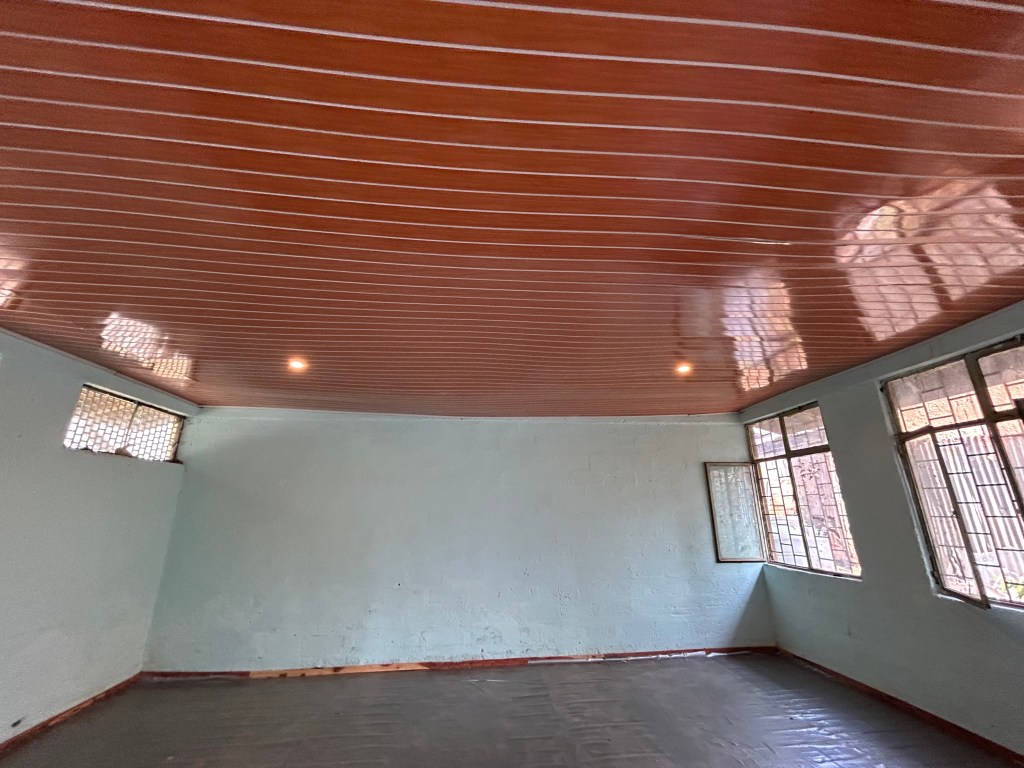
Renovation of Classrooms

Distribution of Learning Material

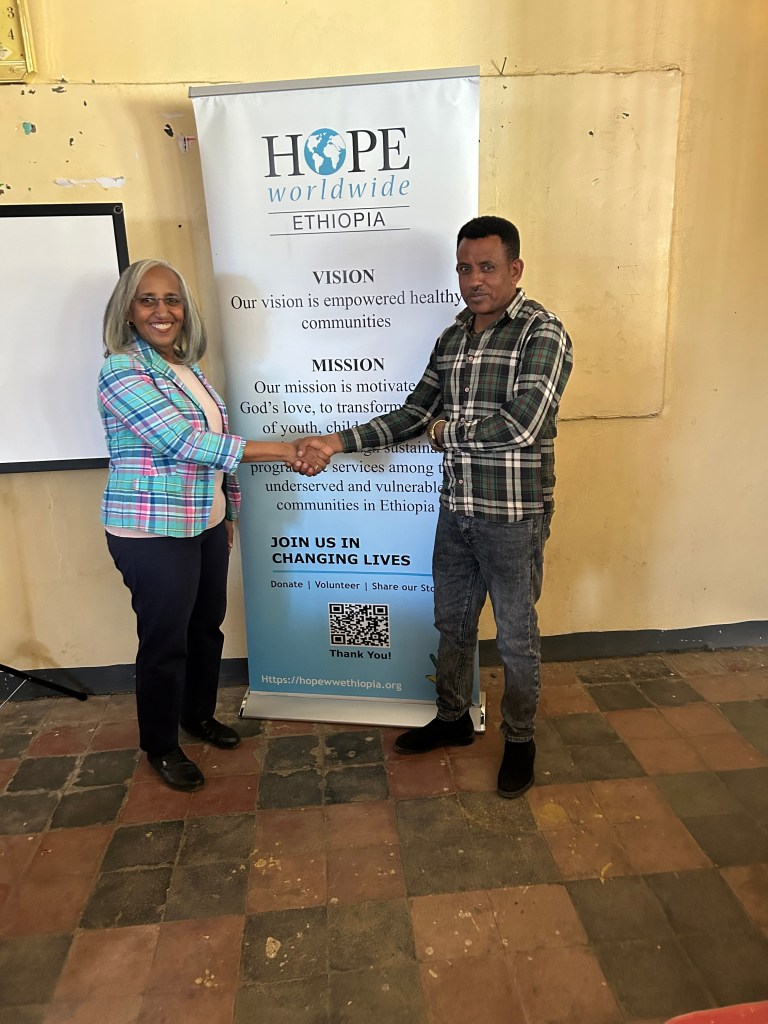
Transition of ECD Committee Oversight to Government Officials to Promote Sustainability
2022-2024 “Healthy Future” Project
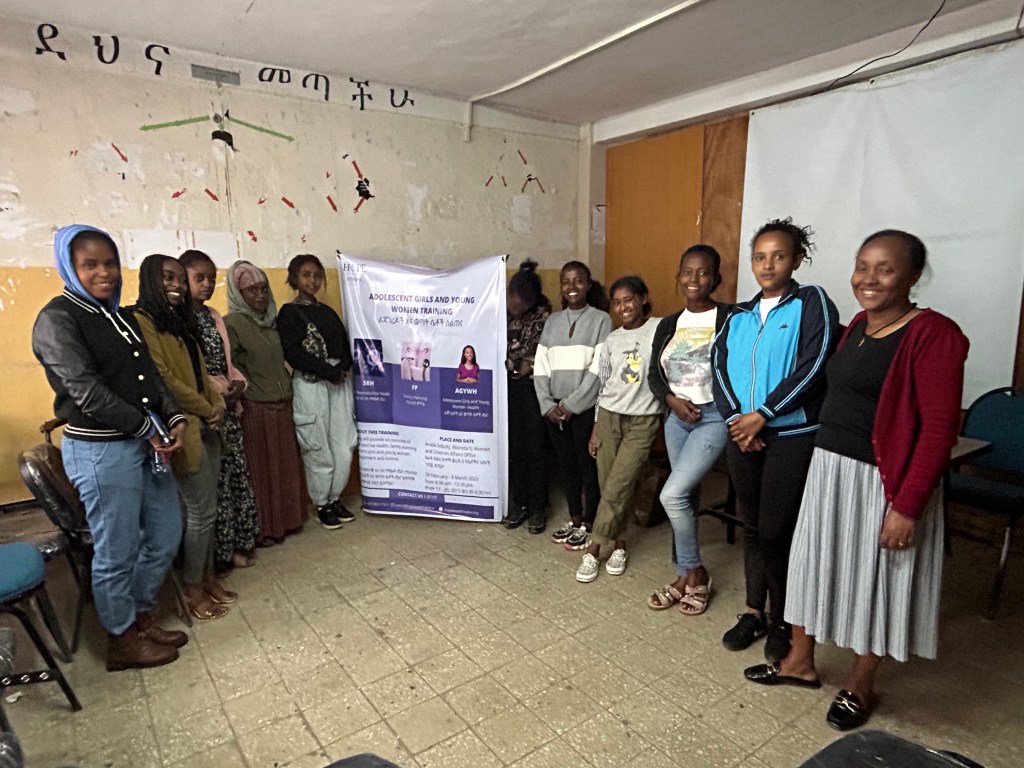
Beneficiaries
20 Key Population and Orphaned and Vulnerable Children
Project Duration
Two-year project
Supplies Provided
Vocational Training, Business Development Training, Water Filter System, Sexual Reproductive and Family Planning Training, Life Skills and College Tuition Support.
Healthy Future sustainable solutions to improve the health outcome for key and priority population and orphaned and vulnerable children in the informal settlement in Woreda 5, Arada sub city.
Objectives
Objective 1: To screen and enroll KPP in training and education of SRH awareness matters and avoidance of HIV on regular interval in the informal settlement in Woreda 5 in the 1st year in Addis Ababa.
Objective 2: To Sensitize and increase awareness of parents, community leaders, local government, and other stakeholders on the importance of SRH and HIV/AIDS education among KPP and the community on regular interval in the in the informal settlement in Woreda 5 in the 1st year in Addis Ababa.
Objective 3: To increase enrollment of KPP in existing health centers to provide resources and improve their care and treatment in the in the informal settlement in Woreda 5 in the 2nd year in Addis Ababa.
Objective 4: To screen, enroll and support the Orphaned and Vulnerable Children identified in the KPP community in the local health centers and local schools in the informal settlement in Woreda 5 in the 2nd year in Addis Ababa.
Background
The Ethiopian HIV/AIDS epidemic is characterized as mixed, with wide regional variations and concentrations in urban areas, including some distinct hotspot areas driven by key and priority populations (KPP). The National adult (15-49) HIV prevalence is 0.93% in 2019; prevalence in women constitutes 61% of infections (women 1.22%, men 0.64%). There are wide regional variations with Addis Ababa as the second highest prevalence rate at 3.42%. In 2019, the national HIV incidence rate in the adult population is estimated at 0.02% (0.03% in females and 0.02% in males) with an estimated 15,000 (9,000 females and 6,000 males) new infections, the majority (67%) of these occurring in the age group below 30 years. About 265 out of more than 1000 Woredas (districts) in the country constitute nearly two thirds of all new infections annually. With an estimated 669,000 people living with HIV (PLHIV) of which 39,792 are <15 years of age, HIV remains a heavy burden on the country.
2024 Secondary School Menstrual Hygiene Management (SMHM) Project

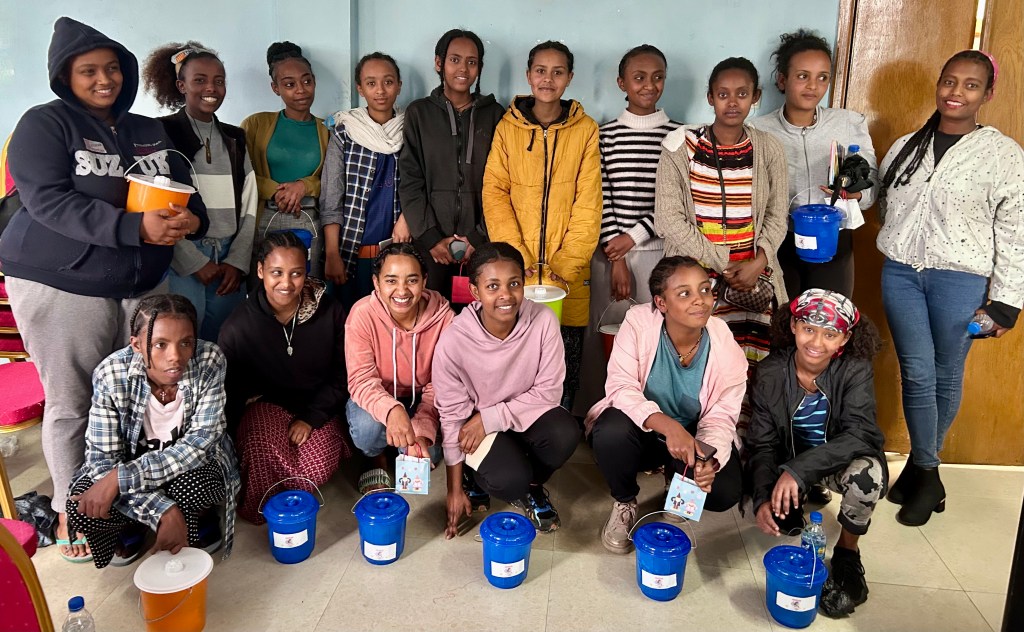
Beneficiaries:
Two Secondary Schools in Addis Ababa, Ethiopia
Project Duration:
One year project that supports 400 students and renews annually dependent on funds
Supplies Provided:
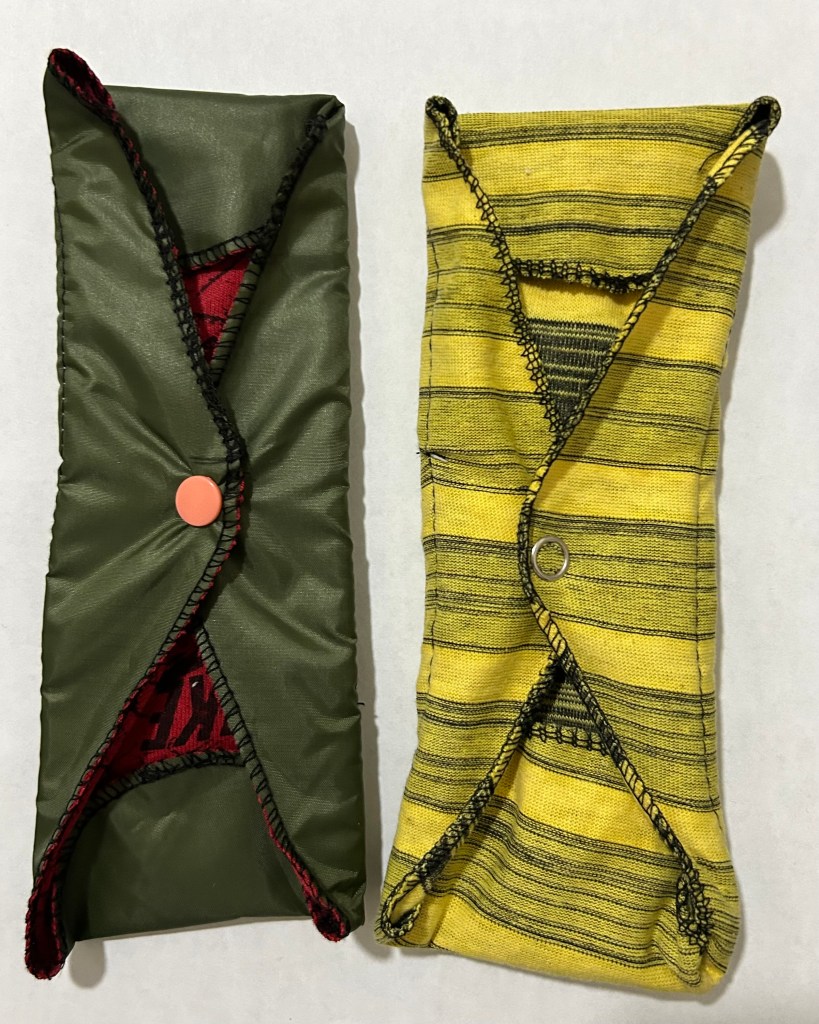
4 sets of reusable pads and if adequate fund underwear and soap.
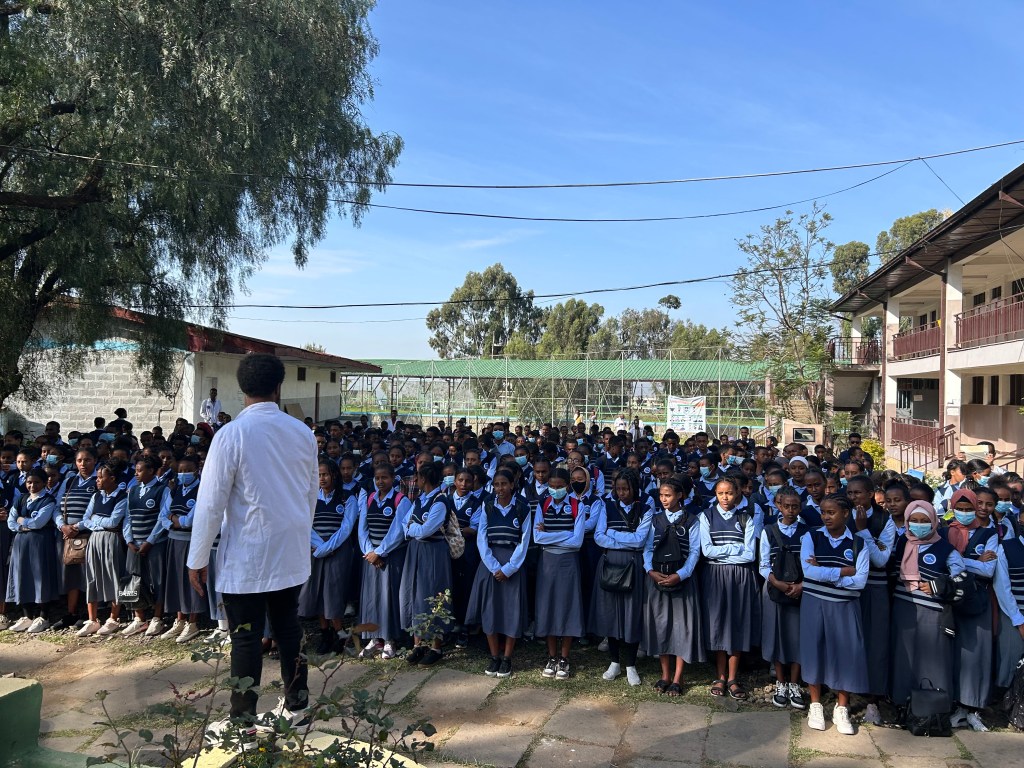
HWWE launched the School Menstrual Hygiene Management (SMHM) at both the Bethlehem and W/o Kelemwork Secondary schools in Addis Ababa, Ethiopia.
Goal
The primary goal of the School Menstrual Hygiene Management (SMHM) Project is to enhance awareness, access, and sustainable management of menstrual hygiene in secondary schools. The key objectives are:
- Educating students about menstrual health and hygiene practices to dispel myths and misconceptions.
- Introducing and implementing a sustainable system for managing menstrual hygiene by promoting the use of reusable pads.
2. Cultivating an environment that fosters dignity, comfort, and empowerment for female students during menstruation.
Background
In Ethiopia, girls encounter numerous hurdles, among them the management of menstruation due to limited access to water, sanitation facilities, hygienic materials, and fundamental knowledge about anatomy, puberty, menstruation, and hygiene. This lack of resources often results in girls’ reluctance to attend school during menstruation out of fear of unexpected leaks while using inadequate materials such as old rags, leading to unhygienic practices and potential infections. Consequently, this contributes to poor school attendance, academic performance, and a rise in dropout rates.
Water, Sanitation, and Hygiene (WASH) in schools significantly impact the well-being of students. The quality of sanitation facilities, particularly for girls after the onset of menstruation, can influence attendance rates. Thus, there is a pressing need to educate students on health and hygiene practices like handwashing and personal hygiene. The program identified a lack of understanding among girls regarding menstruation management in a hygienic manner.
In the long run, poor menstrual hygiene management can lead to severe outcomes such as debilitating urinary tract infections, hindering education, and limiting future employment opportunities for many women and girls in developing countries. Deep-seated taboos surrounding menstruation often restrict open discussions within families, leading many to resort to using inappropriate materials like old cloths, notebook pages, or leaves to manage menstruation. The inability to access private spaces to wash and dry these materials forces them to reuse partially soiled and damp materials, causing discomfort and a sense of uncleanliness.
To address these challenges, HWWE initiated a new program aimed at raising awareness of girls’ menstrual issues by distributing high-quality reusable sanitary pads. This initiative seeks to empower girls to attend school during menstruation without the fear of leaks, thereby fostering a healthier and more confident learning environment.

2024 Secondary School Meal Feeding Project
Beneficiaries
One Secondary Schools in Addis Ababa, Ethiopia.
Project Duration
One year project that supports 25-100 students and renews annually dependent on funds.
HWWE launched the Secondary School Meal Feeding Project (SSMFP) at W/o Kelemwork Secondary schools in Addis Ababa, Ethiopia.
Goal
The primary goal of the project is to provide meal (breakfast and lunch) to one secondary school. The objectives are:
- Increase enrollment, academic performance and attendance, while reducing the prevalence of malnutrition.
- Support to build the physical, mental and cognitive conditions of adolescents as well as maintain their socio-economic wellbeing in later ages, of adulthood, as better health, nutrition and education contribute to productivity.
- Apart from alleviating hunger in schools and enhance nutritional outcomes, strengthening the program would inevitably help efforts to diminish educational inequalities.
Sustainability
Arada Subcity has now taken on the task of providing meal support to students identified by the school as needing assistance in 2025. They will continue this support moving forward.
Background
In accordance with a Public Health Nutrition, Published online by Cambridge University Press: 28 March 2022 the study evaluated the impact of the Addis Ababa School Feeding Program (SFP) on educational outcomes. Title of the study was “Impact of school meals on educational outcomes in Addis Ababa, Ethiopia”.
School Feeding Program (SFP) has been a recognized part of the platform for nutritional, health and educational intervention programs such as deworming, micronutrients fortification and supplementation and curricular program.
Recent studies show different findings about the contribution of SFP with regards to outcomes of energy intake, micronutrient status, enrollment and attendance and academic achievement, Its positive impact on physical growth, cognitive and academic performance was less conclusive in some countries while substantial helped elsewhere.
The objective of this study was, therefore, to evaluate the impact of the Addis Ababa SFP on educational outcomes of schoolchildren. It examined academic performances, enrollment and attendance rates of primary schoolchildren before and after SFP has been started and explored associations between nutritional status and academic performance of the beneficiary schoolchildren.
There is no specific study on providing meals to secondary schools, but the study indicated that School Feeding Program would support to build the physical, mental and cognitive conditions of adolescents as well as maintain their socio-economic wellbeing in later ages, of adulthood, as better health, nutrition and education contribute to productivity.