Vision
Our vision is empowered healthy communities.
Mission
Our mission is motivated by God’s love, to transform the lives of youth, children, and key populations through sustainable programs & services among the underserved and vulnerable communities in Ethiopia.
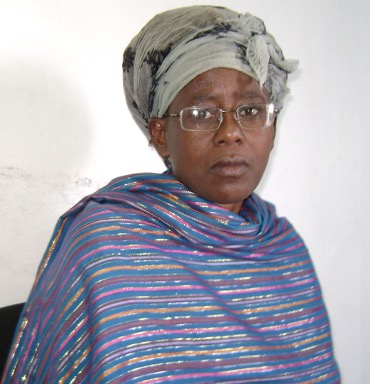
Meet Grace Deneke
EXECUTIVE DIRECTOR, HOPE worldwide Ethiopia

Grace Deneke as the founder of HOPE worldwide Ethiopia, I am committed to addressing critical challenges in education, healthcare, and community development. Under my leadership, the organization has implemented impactful programs, including early childhood development initiatives, support for orphans and vulnerable children, reusable pad and meal support for secondary schools, and comprehensive training for key populations. These training programs cover micro-financing, family planning, sexual and reproductive health, life skills, and business development, empowering communities and fostering self-reliance.
I have volunteered with several community service brigades over the past nine years, providing medical support in Guatemala, Honduras, Tijuana, El Salvador, and Nicaragua, as well as community support in Kenya and Haiti. In recognition of this work, I was honored as HOPE worldwide Ltd.’s Volunteer of the Year in 2019.
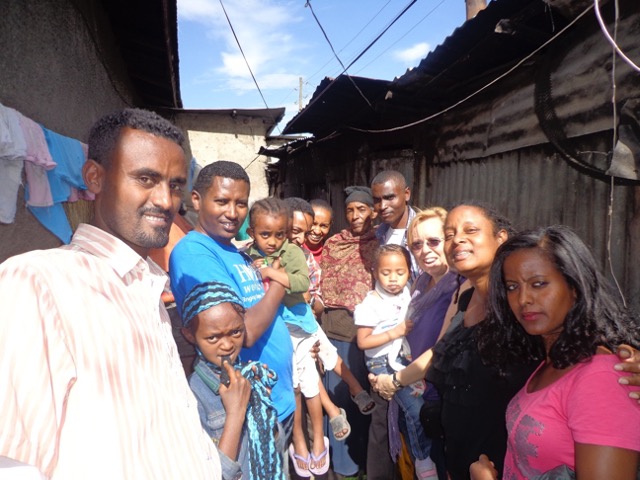
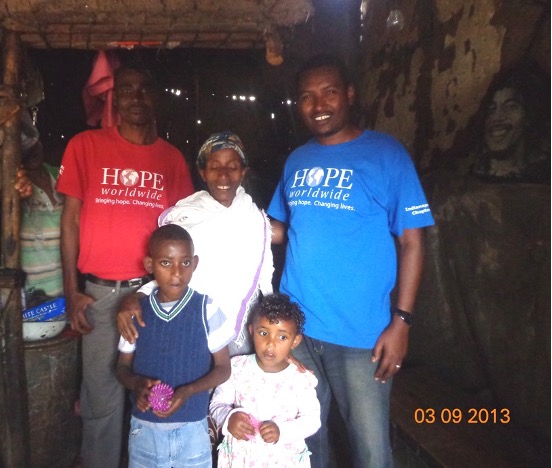
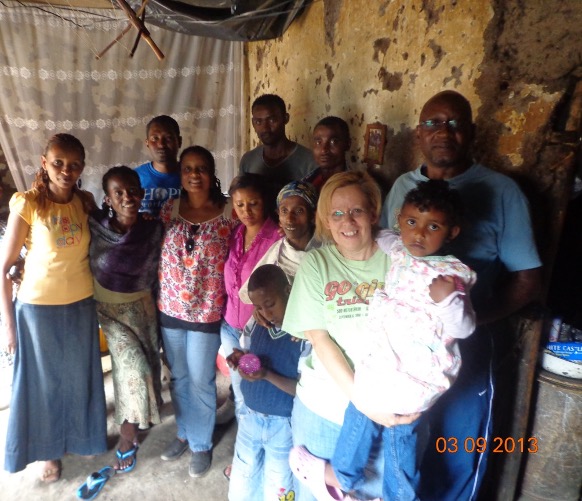
During my trip to Ethiopia in December 2013, I met a family through the HOPE worldwide Addis Ababa Orphaned and Vulnerable Children (OVC) program. The mother was living with AIDS, and her infant was HIV positive. The OVC program provided support to children and families affected by HIV/AIDS by addressing their physical, psychosocial, and financial needs, including medical expenses.
Unfortunately, due to financial constraints, the program was discontinued that same year. It was at that moment I decided I would return home and start a program dedicated to supporting the full spectrum of HIV/AIDS care—prevention, treatment, and ongoing support—with the goal of helping to eliminate the disease.
Grace Deneke, CEO of HOPE worldwide Ethiopia

History of HOPE worldwide Ethiopia
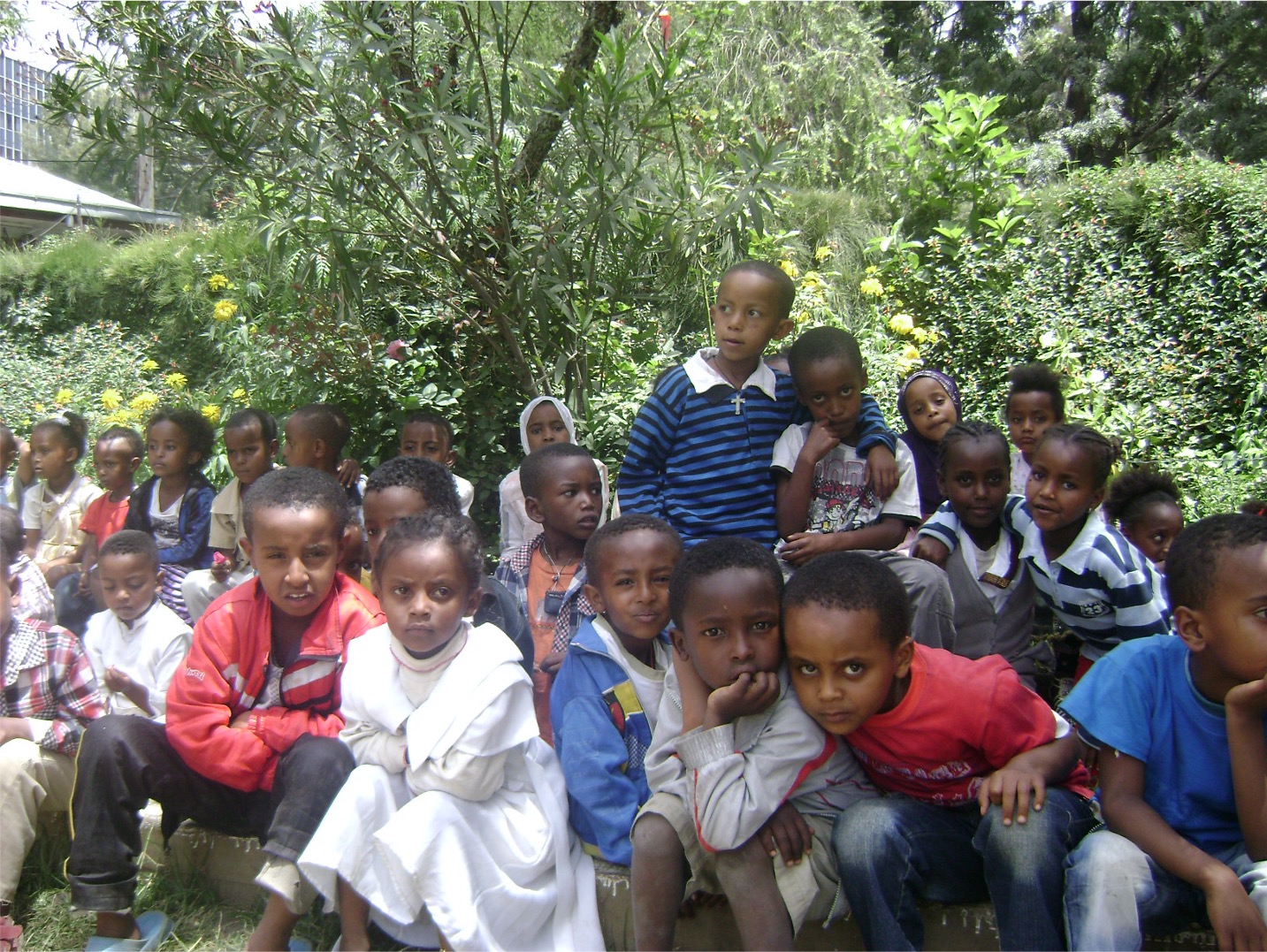
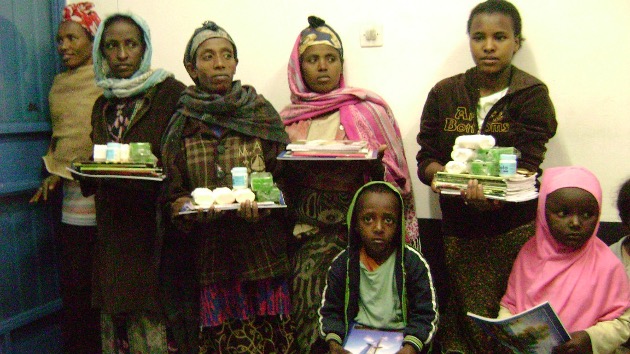
In October 2010, HOPE worldwide Addis Ababa (HWWAA) was established under the Charities and Societies Agency of Ethiopia, led by Program Director Berhanu Wari. HWWAA supported the Orphaned and Vulnerable Children (OVC) program in Addis Ababa, which directly assisted 100 children and indirectly benefited more than 300 of their families.
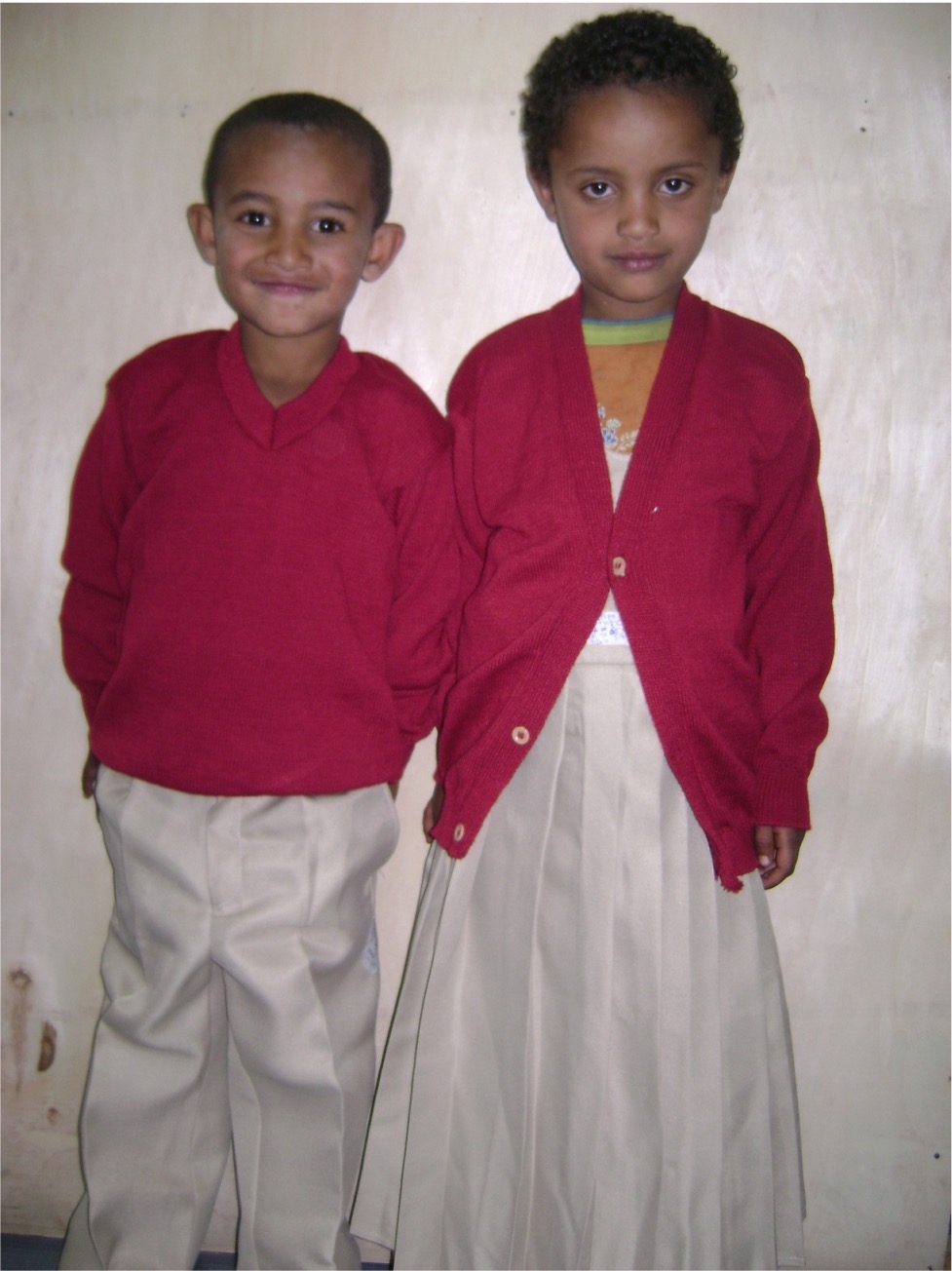
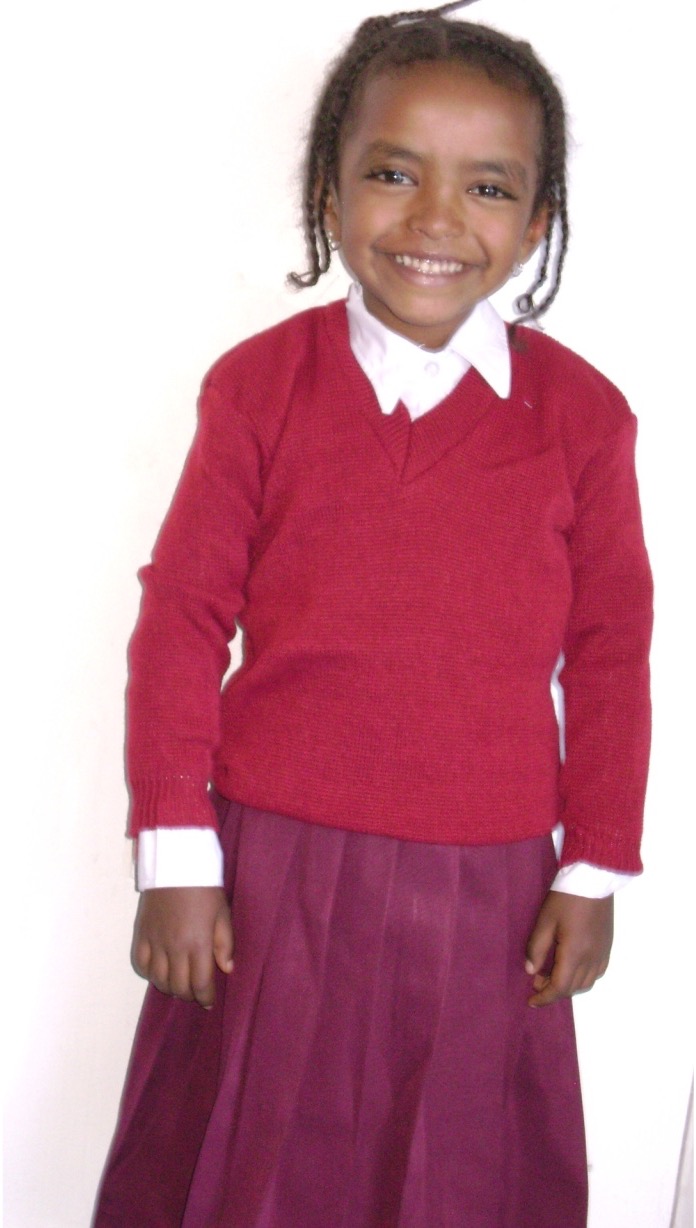
The program provided comprehensive services, including education, healthcare, psychological and nutritional support, clothing, and volunteer engagement. This initiative changed the trajectory of OVC children by increasing school enrollment, improving overall health through access to medical and psychological care, and strengthening community support through volunteer services.
Because the population served was primarily affected by HIV/AIDS, the need for extended support across the full continuum of care was identified, researched, and developed.